
How to Grow Yams

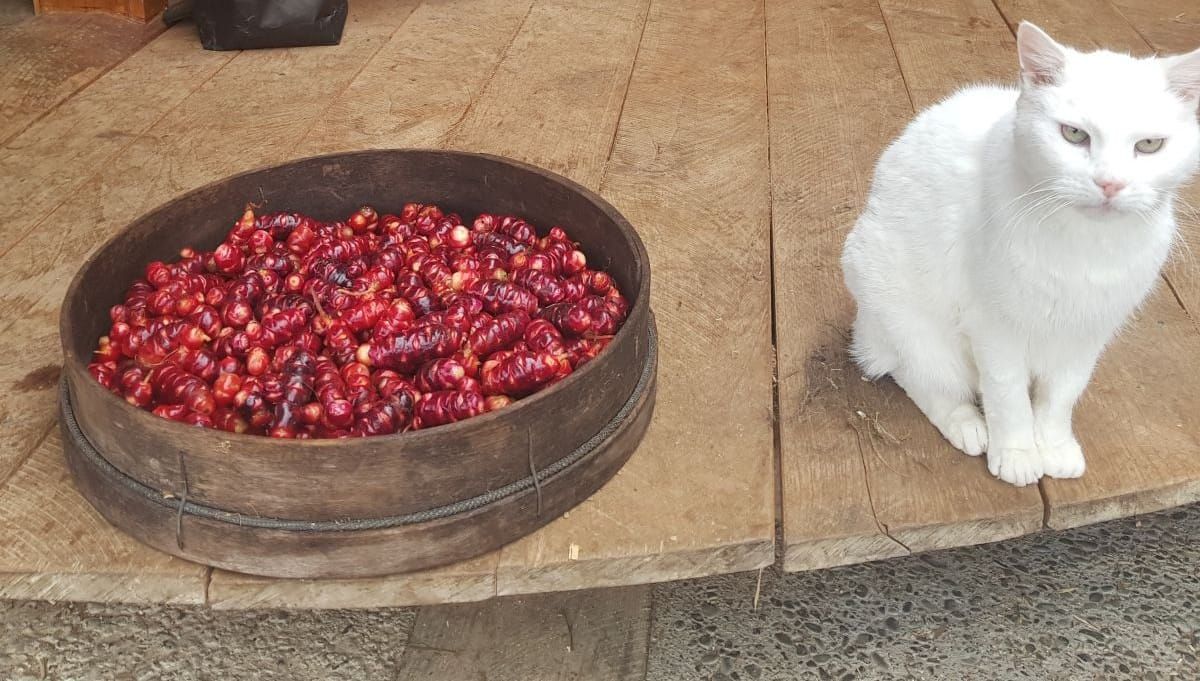
Yams (oca) are the easiest crop I've ever grown. No issues with pest or disease, and once they are planted - you can pretty much forget about them.
The only negative is that they are in the ground for a long time, so if you are short on space, don't plant them in your vegie patch grow them beneath fruit trees, in flower gardens, or in containers.
If you live somewhere hot - grow them in the semi shade. A win for cool gardens, they prefer us!
Soil Prep
A fine layer of homemade compost is all you need. Don't go nuts on manures or artificial fertilisers - you'll get big leaves instead of big yams. Free drainage is most important - make a raised row if your soil is heavy clay or poorly drained.
Timing
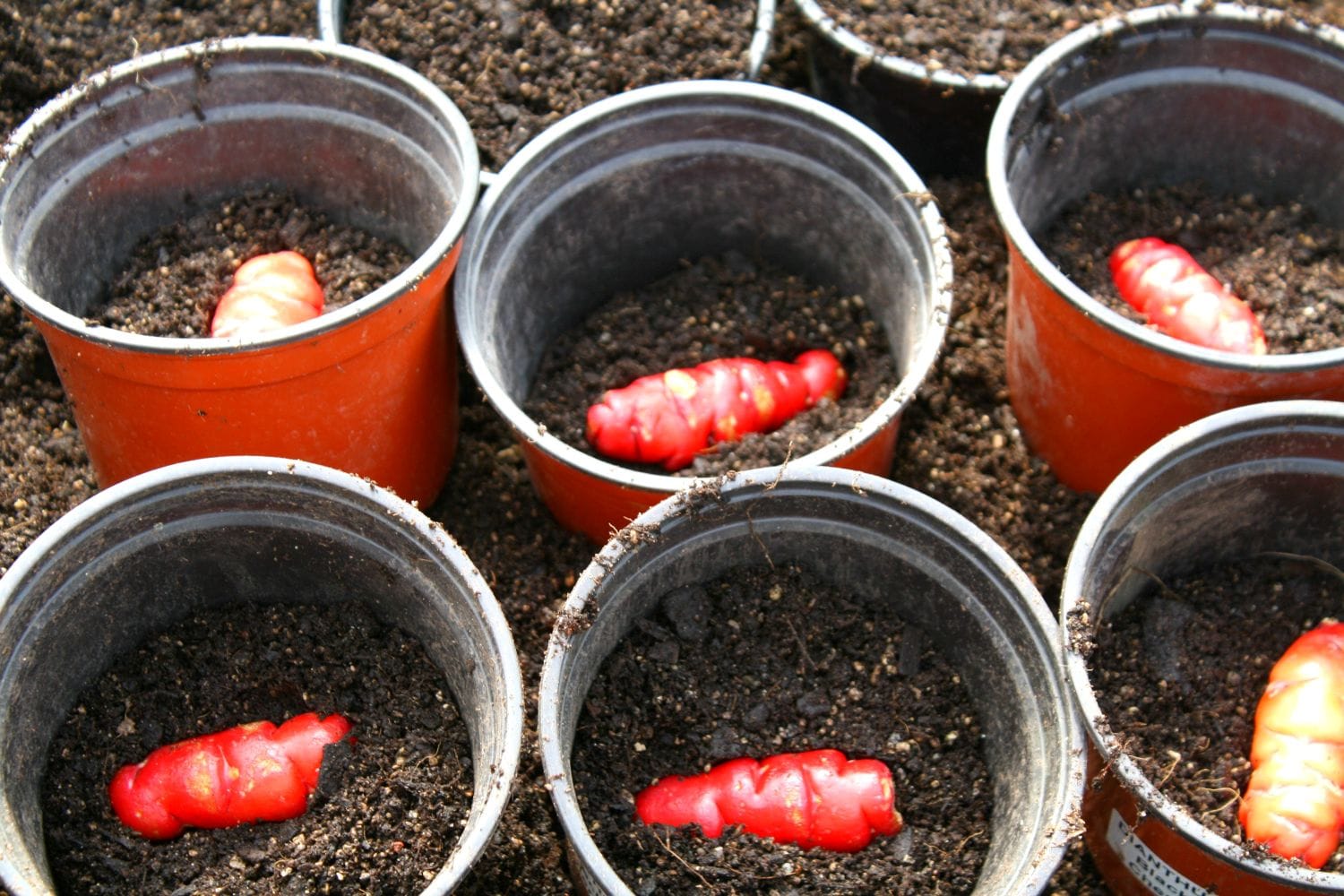
Plant them out when your soil reaches about 18°C. Though you don't want to wait forever - if your soils aren't warm by late October, start them off in pots. Fill a pot a third with potting mix, pop in the yam, then top up with mix. Keep the soil nicely moist, and they'll soon be sprouting away.
Use an organic yam, or find them online. Sethas Seeds sell Henry Harringtons yam - my favs!, especially the yellow ones.
Plant + Grow
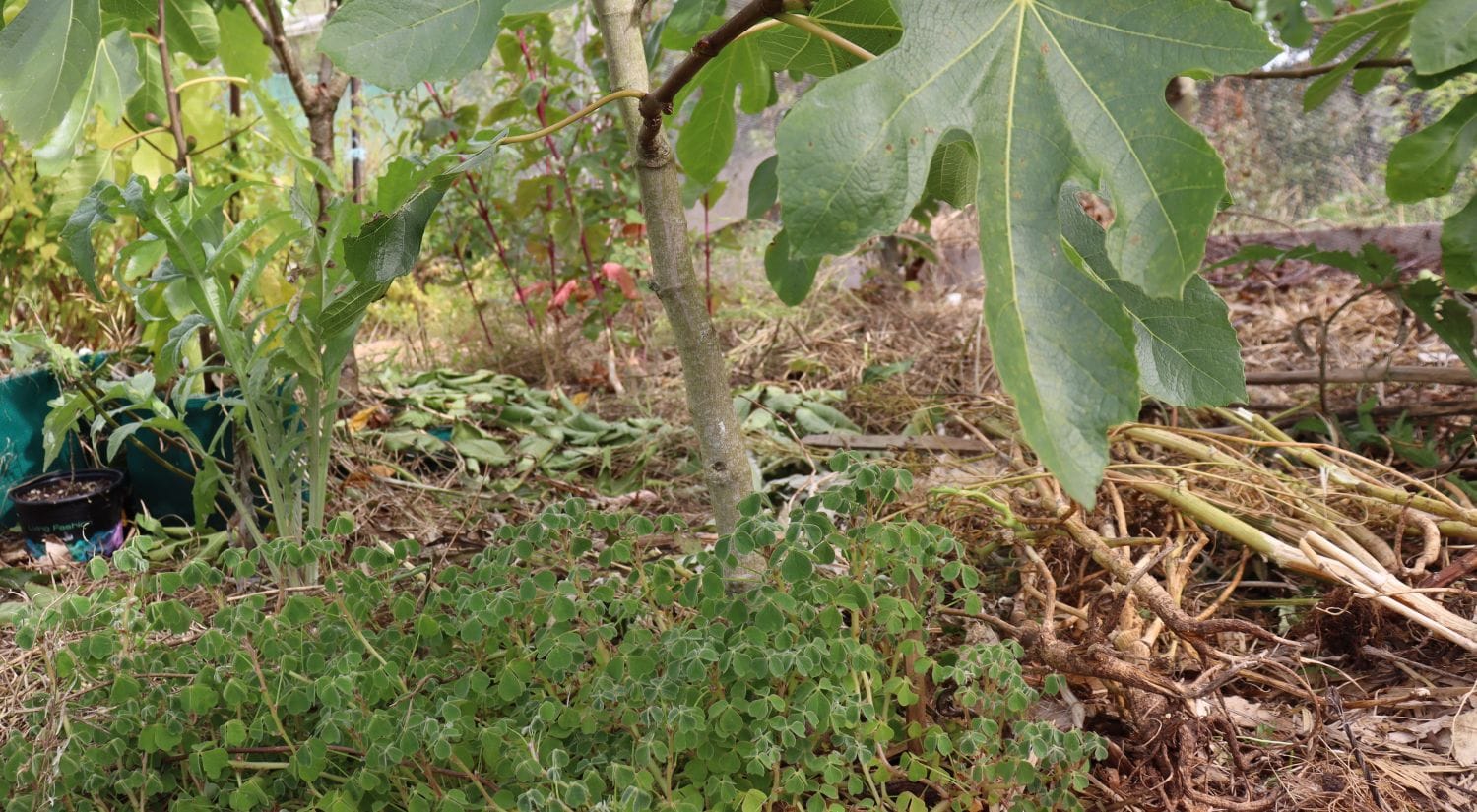
Plant tubers at 5cm deep. A generous 40 cm spacing will bring nice fat yams.
Water during dry spells - they hate to dry out. Mulch is your saving grace, keep it topped up. A living mulch works really well, especially in hot places where tall flowers and crops will shade and cool.
You can leave yams to naturalise and become part of your living mulch. In this case, though you'll only reap the odd good sized one - most will be small. Tiny even.
Harvest
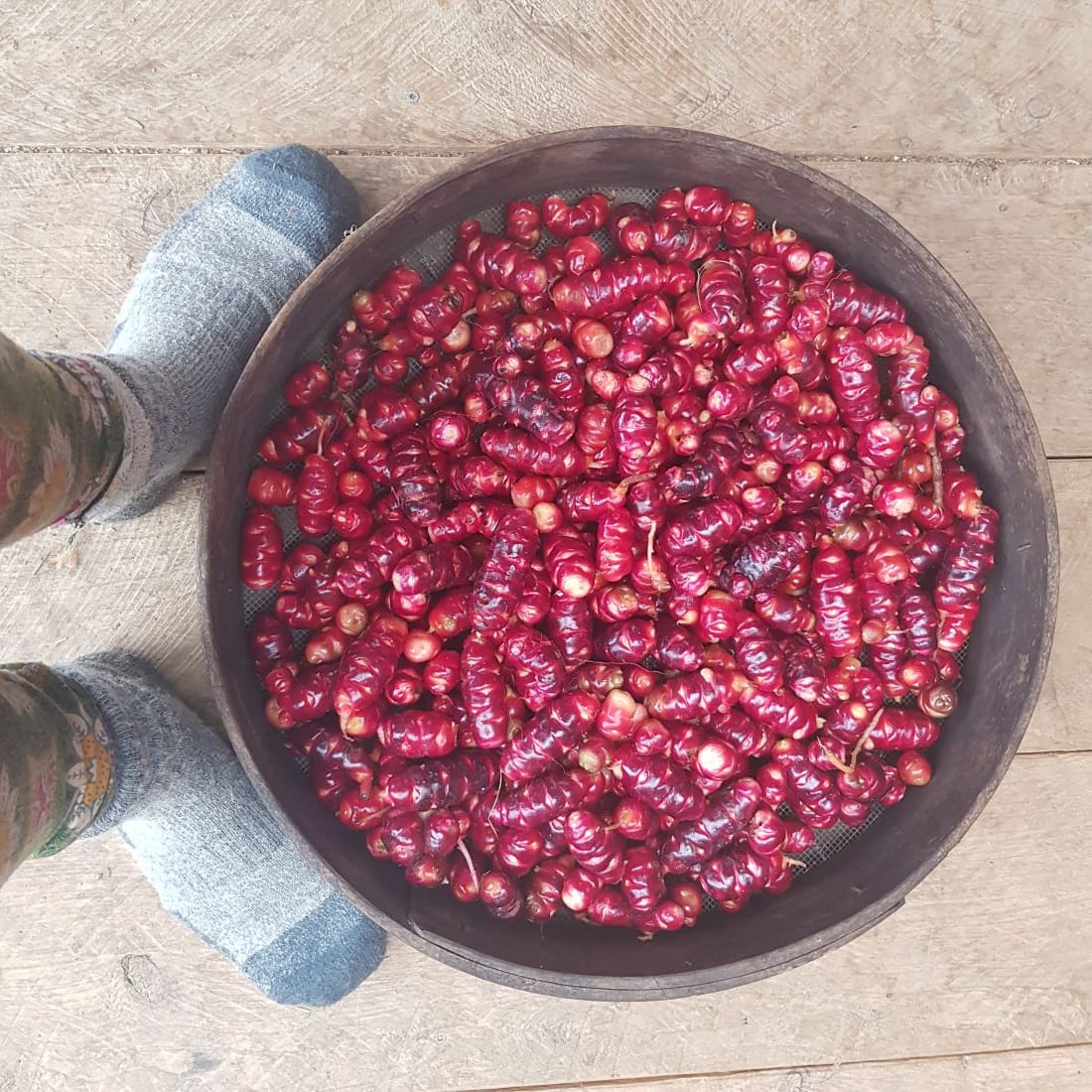
Yams fatten up from autumn, so don't rush in to harvest. Wait for the foliage to die off first, or even better leave them until after a frost because they fatten and, like parsnips, become sweeter. Either leave them in the ground and harvest as required or dig up all the tubers and leave them to dry on a wire rack or basket before storing.
Along with all your good sized yams you'll get plenty small ones. Its just how it is. Pigs love them and great news is, small ones are perfect for next years seed.