
My Healthy Fruit Tree Game Plan

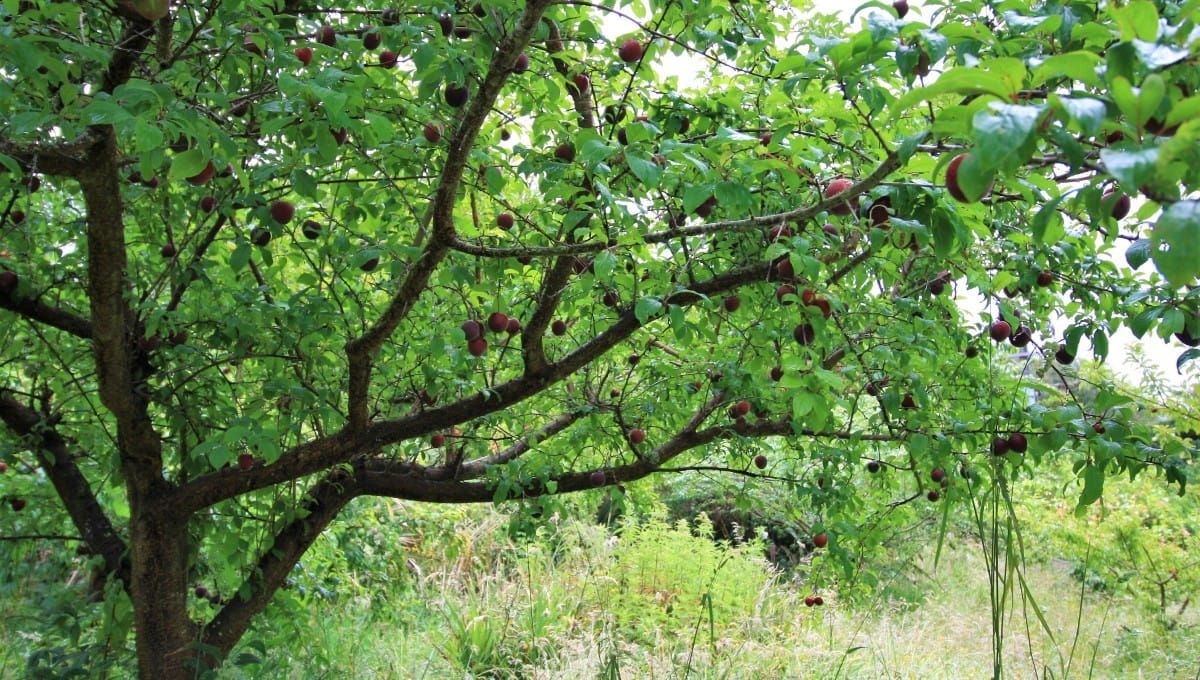
Healthy fruit trees come from you taking care of all the following nuts and bolts. Not just one or two, but all of them!
An environment such as this isn't built in a day. Mostly we've inherited monocultures with no spine - weakened via over fertilisation and ag chem spraying. A situation that is quickly reversed by developing a diverse, living environment such as I champion below.
There's a lot of info here - and you aren't going to be able to implement it all in one hit. Just tick away. Keep returning to this and find new angles to put in action and before you know it, you'll have set the wheel in motion and can stand back and watch it spin, largely on its own.
The right variety and rootstock
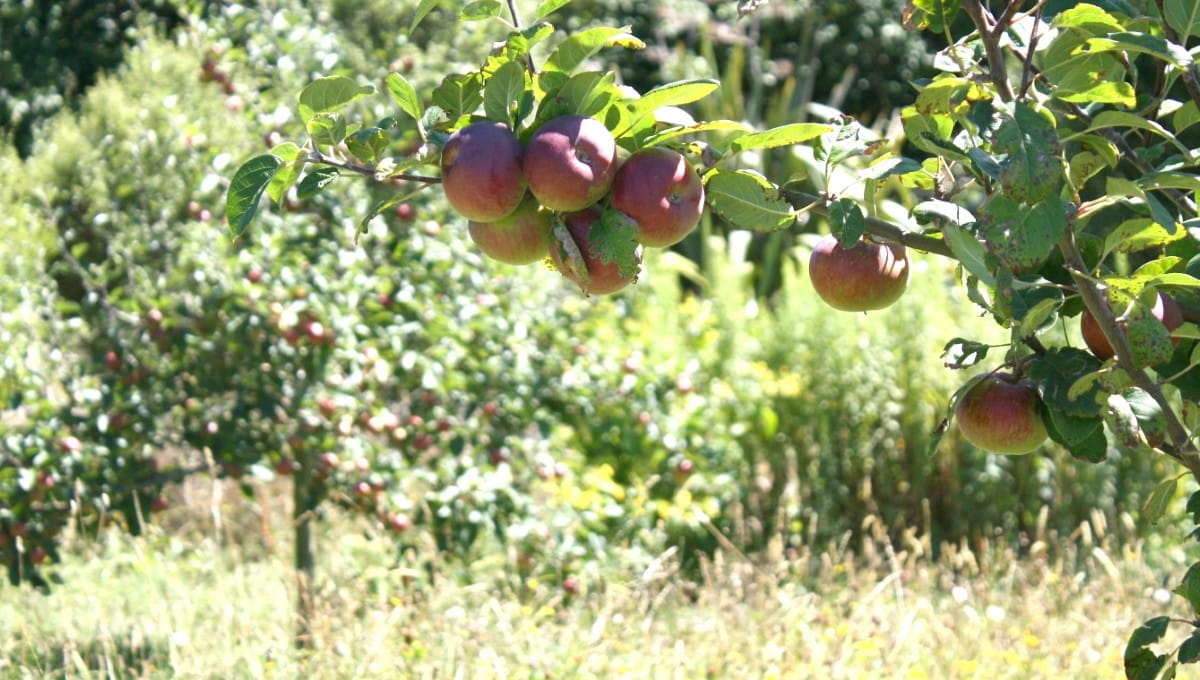
Start by ensuring the varieties you choose suit your climate and soil.
Varieties that don’t match will struggle and attract all manner of problems. Rootstocks too, must suit your soil conditions. Peach will struggle in clay as will plum in sand.
Research trees first, before you go shopping. Or, if your tree is already planted and struggling - find out about it. Does it suit? If not, of course its not doing well!
Plant diversity
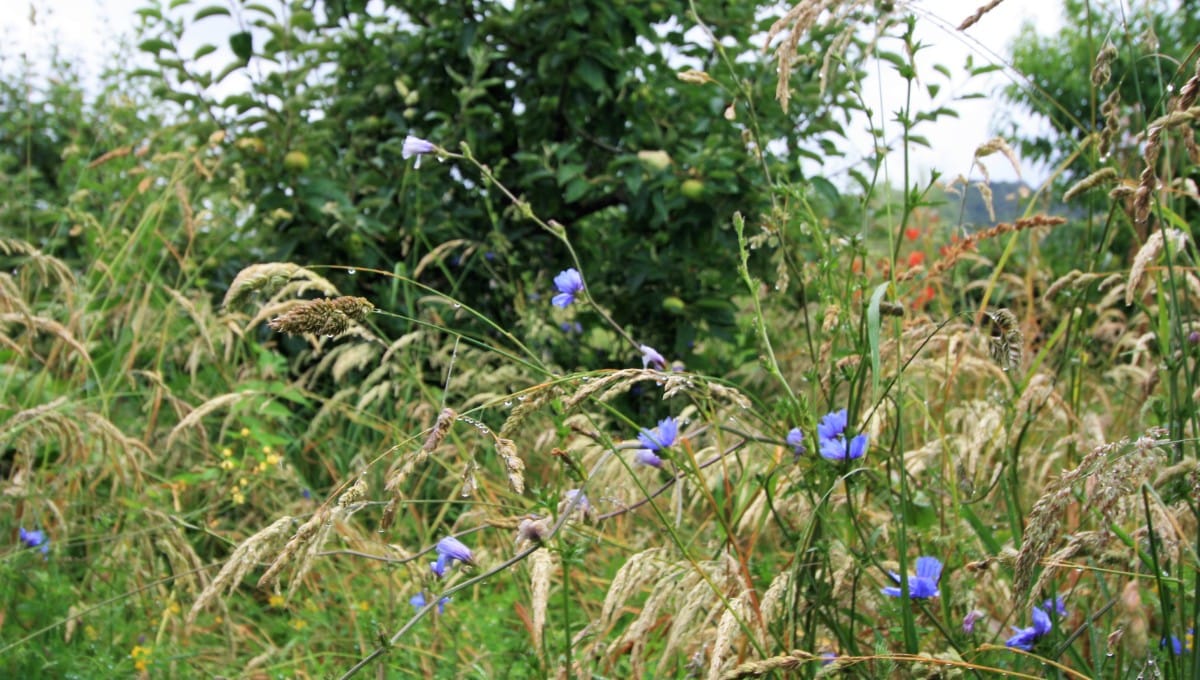
A diverse environment around your deciduous fruit trees is central to best health. It begins below ground. The beneficial fungal network (mycorrhiza) establishes in undisturbed, diverse places, and spreads far and wide. It plugs into the root systems, integrating them into a communication highway that facilitates support and nourishment to all who belong. Its truly wonderous.
Picture the roots drilling deep and wide - bringing air and stability and providing homes for a multitude of soil life. Soil life are responsible for nutrient conversion - they do a far more on point job of it than we do. Avoiding the overfeeding that is typical of most gardeners and central to causing fungal disease.
Above ground, a diversity of plants provides food and habitat for the beneficial insects that are kin to your patch of earth, and responsible for pest management.
Plant your mulched spots in a diverse range of herbs and perennials, whether at the feet of your trees, or as a pre cursor. Nutrition never looked more beautiful.
- Deep rooting companions like comfrey, chicory, horseradish, parsley and dandelion recycle nutrients, open clay and hold sand – they’re value is enormous. Comfrey beneath your trees saves you the job of mulching and brings a nutrient exchange like no other.
- Plenty of herbs and flowers to discourage pests with scents, and to feed beneficial insects and bring below ground diversity for a larger pool of biological life.
- Nitrogen fixers provide an ongoing nutrient exchange for free! You dont need loads, just dotted about. Grow clovers and or legumes on your orchard floor or nitrogen fixing shrubs/ trees throughout or on the border.
Sound nutrition
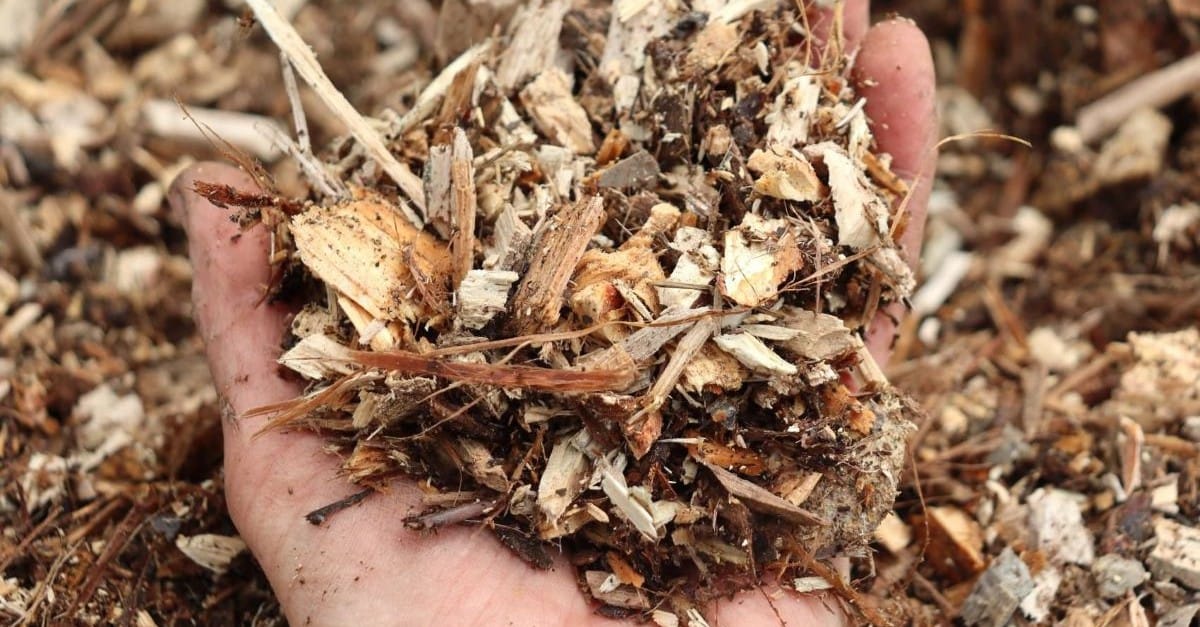
Not too much and not too little! Overfed trees are pest and disease magnets. Apart from in the first few years, fruit trees and berries don't need compost, unless on poor soil. They do need:
- Free draining soil. This is something you need to sort before your trees go in. Wet soils have no air, and tree roots need air for nutrient exchange.
- A woody type mulch to stimulate a healthy fungal zone.
- A diversity of companion plants for excellent nutrient exchange.
Light and air
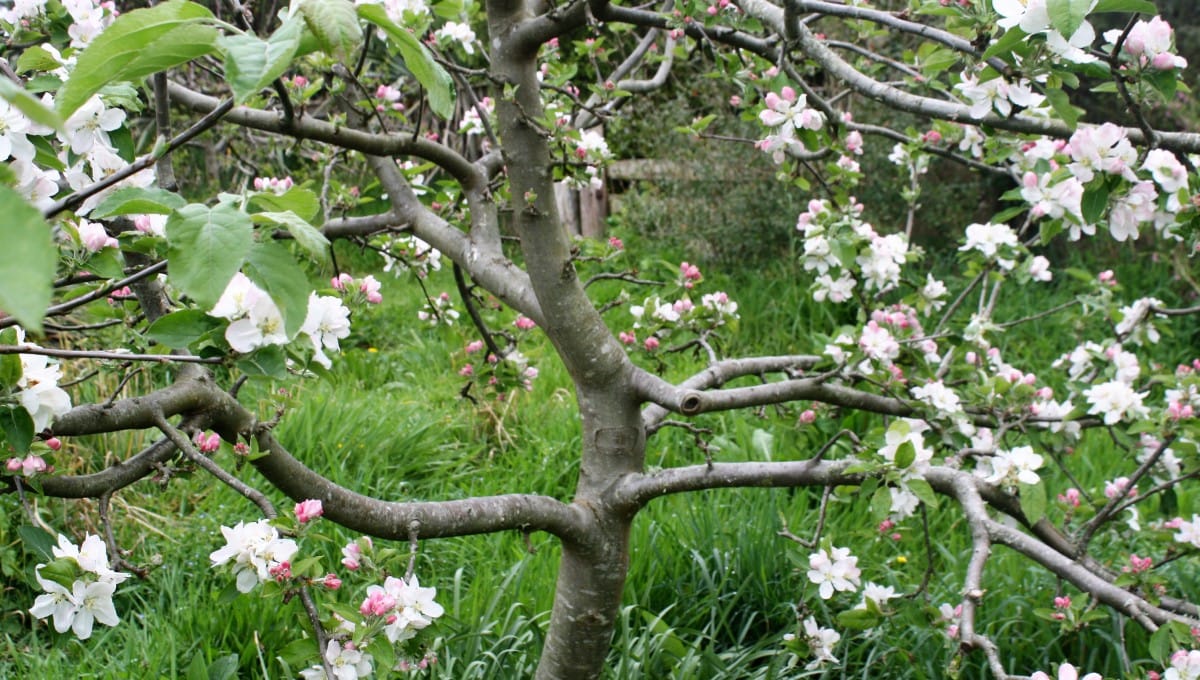
- Plenty of light makes for productive wood.
- Airflow prevents fungus and assists pollination.
- Prune and space your trees well.
Foliar sprays
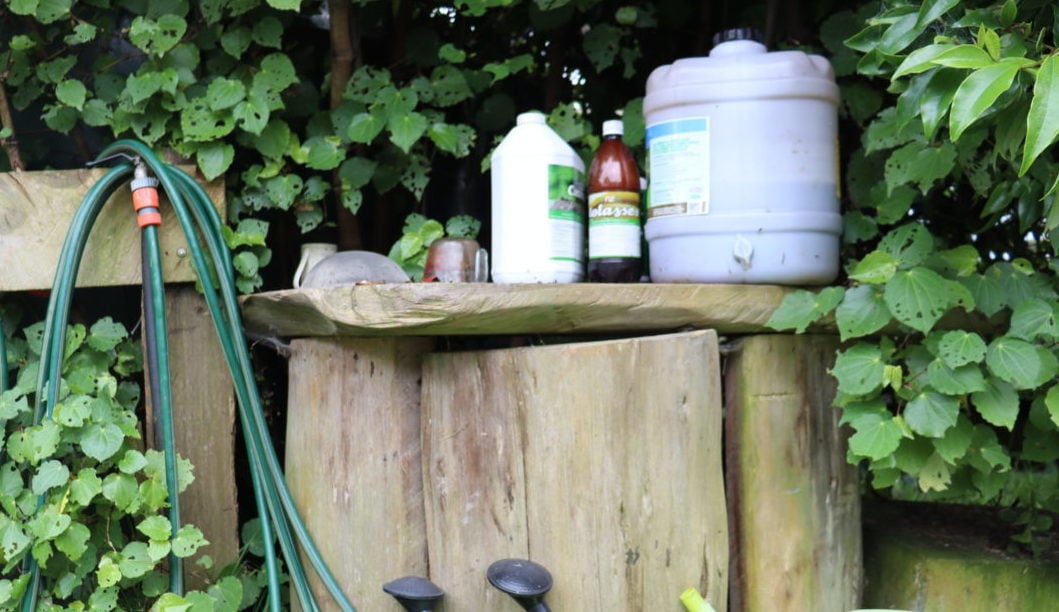
Biological sprays do your trees and the eco system around them the world of good - especially in the early days of orchard establishment. As you observe a lack of problems, lessen the sprays and watch what unfolds.
Spray for complete cover – bark and foliage, also the soil beneath – go nuts! You can mix the following sprays together in any combination for a lovely bio brew. A good back pack or hortex sprayer makes your spray go further and the job easy.
- EM or actived aerated compost tea - beneficial organisms that out-manoeuvre and out-compete detrimental fungi and bacteria. They speed decomposition to keep the orchard floor in top nick and boost ‘good’ fungi for balanced nutrition and strengthen immunity.
- Seaweed or hydrolysed Fish – for thicker cell wells, good all round nutrition, pest prevention, stronger roots via biological boost, for all round improved access to nutrient and immune boosting. Fish has the advantage of adding calcium, which is so important to tree health and a better input calcium than lime or gypsum in the absence of a soil test that advises them.
Hygiene
- Clean your pruning tools after pruning each tree to prevent the spread of disease. Vinegar and a rag in my bucket of tools is how I do it.
- Burn diseased prunings or drop them amongst natives/ shelterbelt to decompose
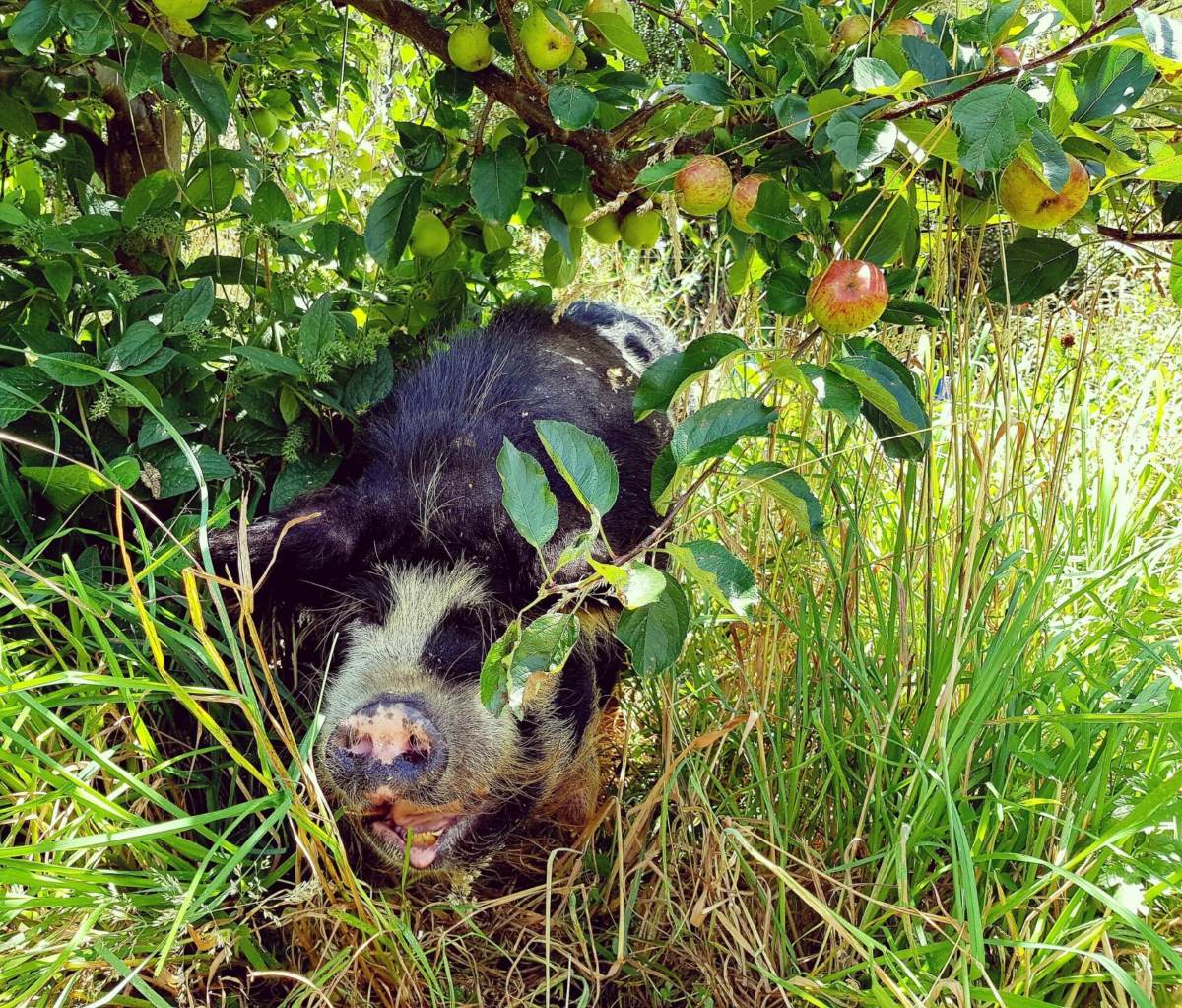
- Feed diseased fruits to your pigs or chooks or better yet get your animals beneath your trees in Autumn for another layer of diversity in your system.
Thoughtful pruning
Prune in dry weather only and don’t be too hard (or too soft) – just right 🙂
Strong cells and active soils make for robust plants that are better equipped to cope with any conditions. Will it be dry? Will it be wet? Hot? Cold? Windy? these things we just don’t know and can do nothing about. Will we be strong – this we can do, this we can count on.
Kath